
An Incredibly Easy Method That Works For All
10 Apr 2021
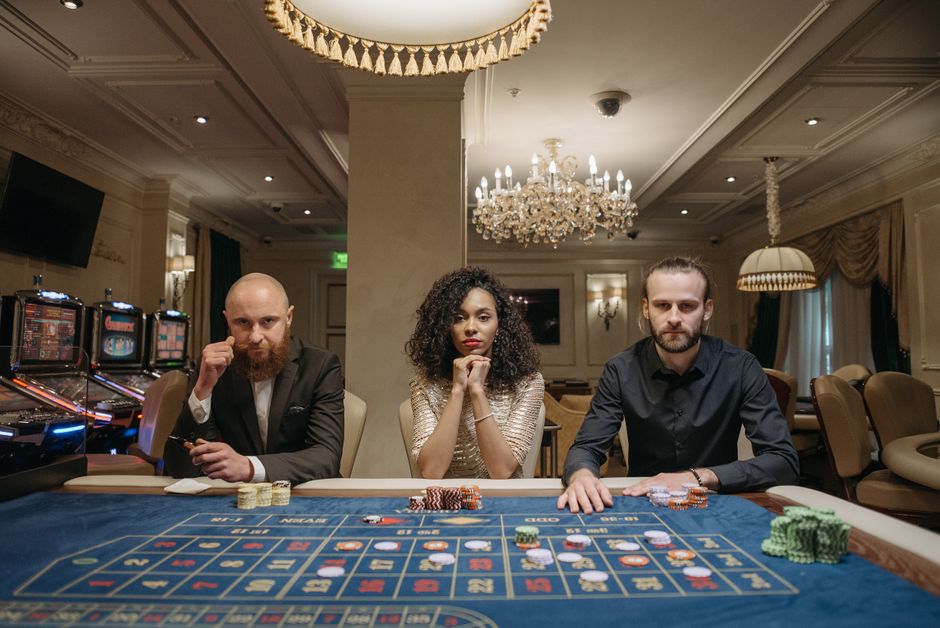
Watch someone play a slot machine and you'll notice something odd. They aren't smiling when they win, and they aren't frowning when they lose. They're staring, thumb pressed to a button, in a state that looks less like entertainment and more like a trance. That's not an accident. Slot design, from the flash of the reels to the pitch of the win jingle, is built around some of the most reliable quirks of human psychology. The same is true of how we bet on sports, chase pots in poker, and decide when to walk away from a blackjack table. If you want to enjoy this world without getting chewed up by it, it helps to understand what's happening inside your own head.
In 2010, researchers at the University of Waterloo found that near-misses in slot games activate the same reward regions in the brain as actual wins, even though no money changed hands. A player who lands two cherries and a lemon doesn't just feel disappointed. Their brain registers a cue that says "almost there," and that cue drives them to keep pressing. Modern video slots are engineered to deliver near-misses far more often than pure randomness would suggest. If you've ever felt like the bonus symbol appears on reels one and two but ghosts you on reel three more times than seems statistically fair, now you know why.
This is worth sitting with. A near-miss isn't bad luck. In many machines it's a design feature, deliberately tuned by math models to keep the dopamine loop alive. Some of the clearest guidance on this comes from สล็อตเว็บตรง.
B.F. Skinner showed decades ago that a pigeon pecking a button for food becomes compulsive when the reward arrives on an unpredictable schedule. Fixed rewards produce steady behavior. Random rewards produce frantic behavior. Slots are the purest commercial application of that finding ever built.
Combine unpredictable rewards with a fast spin cycle, often under three seconds, and you get more reward events per hour than almost any other form of gambling. That's the engine.
Slots strip away all pretense of skill. Sports betting does the opposite. Punters believe, and to some degree correctly, that studying form, injuries, weather, and line movement matters. And it does, marginally. But the margin is razor-thin. Closing lines at major bookmakers are accurate to within a percent or two, which means most bettors are making picks roughly as well as a coin.
Where skill illusion really bites is in parlays. A five-leg accumulator at odds of 20-1 feels achievable because it's built from picks you can justify individually. But the house edge compounds on every leg. If each market carries a 5% edge against you, a five-leg parlay carries roughly a 22% edge against you. The book loves parlays for a reason, and it isn't because they're generous.
If you're beating the closing line over 200+ bets, you have real skill. If not, you're paying for entertainment, which is fine, as long as you know that's what you're doing.
Poker is the one mainstream gambling game where a skilled player can win long-term. The rake is the obstacle, not the odds. A casino that takes 5% of every pot up to a cap means cash game regulars at low stakes are effectively paying a tax that punishes marginal players. But the edges available are real:
The best players in the world think in terms of expected value per hand, not per session. That's the shift most recreational players never make.
Two things have changed the industry more than anything else in the last decade. The first is crash games and instant multiplier formats, which compress the slot loop into a few seconds with a rising multiplier that players can cash out at any point. The tension is exquisite and the house edge is built in. The second is in-play betting, which turns a 90-minute match into hundreds of micro-decisions. Both formats intensify the psychological dynamics described above.
On the regulatory side, most licensed operators now run mandatory deposit limits, reality checks, and self-exclusion tools through frameworks like GamStop in the UK or OASIS in Germany. Use them before you need them. A deposit limit set during a calm week is worth ten promises made during a losing streak.
None of this means gambling is irrational or that enjoying slots makes you foolish. Risk is fun. The variable-reward loop that hooks a slot player is the same mechanism that makes a thriller novel or a tight poker hand compelling. The difference between a hobby and a problem is whether the loop is running you or you're running the loop.
So set your limits in advance, in money and in time. Choose volatility and RTP deliberately instead of letting the lobby decide. Track your results honestly, because memory lies and spreadsheets don't. And when the near-misses start feeling personal, walk away. The reels will still be there in an hour. They always are.

Bright Tales Real stories, useful guides and the occasional recommendation, all in one calm corner of the web.

April 25, 2019 at 10:46 am
Take in the iconic skyline and visit the neighbourhood hangouts that you've only ever seen on TV. Take in the iconic skyline and visit the neighbourhood.


Want to be notified when we launch a new template or an udpate. Just sign up and we'll send you a notification by email.


Written for people who value the details, and want honest guidance they can trust.

Soldman Kell
April 25, 2019 at 10:46 am
Take in the iconic skyline and visit the neighbourhood hangouts that you've only ever seen on TV. Take in the iconic skyline and visit the neighbourhood.